
A Microsoft 365 failure left users in more than 70 countries without email, meetings, or files for almost 24 hours. It matters because many businesses rely on that service, and scammers are already using the outage to trick people.
Understand what happened, what became of your emails, and how to protect yourself from the scams that follow an outage.
Paper and fax, all on the same day
Picture a government ministry in Japan taping paper notices to the wall. Hospitals in New Zealand sending faxes. A jail in Colorado taking bail payments only in person. These sound like scenes from another era, but they all happened on the same day, for the same reason. Nothing exotic was behind it: email went down. When so many organizations depend on a single service to communicate, one failure is enough to send offices around the world straight back to the old ways.

More than 70 countries without email
Users in more than seventy countries lost access to Outlook, Teams, and their files. All of that is part of Microsoft 365, the suite used by more than four hundred fifty million people at work. The problem didn't stay in one place. Email went first. Then meetings, files, the calendar, and even the AI assistant started failing. In total, more than twenty products had errors, leaving many teams without their most basic work tools for hours.

An outage that circled the globe
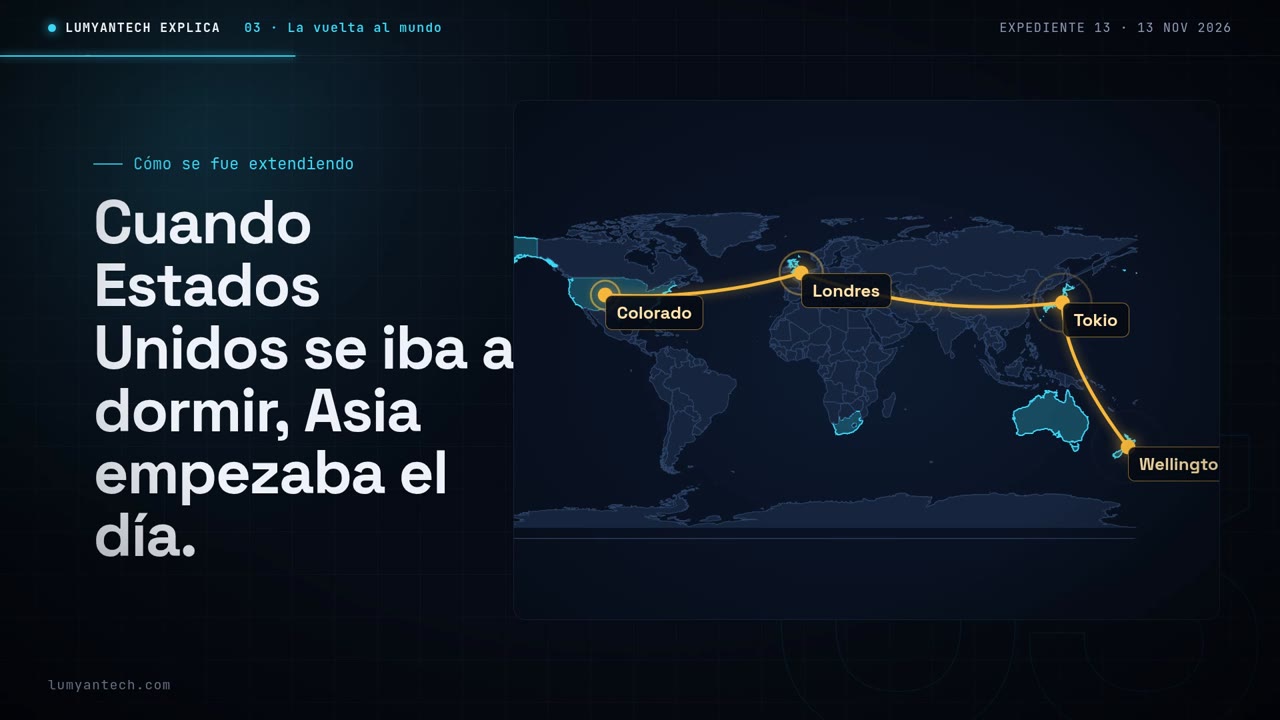
It all started Thursday at noon in the United States. And since the whole world doesn't sleep at the same time, the outage kept moving with the clock. As people here were heading to bed, Friday was just starting in Japan and New Zealand. Those countries began their workday with no email, unable to send or receive messages. A problem that began in the middle of an American afternoon ended up disrupting the start of a whole new day on the other side of the planet.
Japan: notices taped up on paper
In Japan, the Ministry of Finance went almost the entire day without receiving emails. For a government office that runs on constant communication, that's close to being cut off. So ministries fell back on an old-school fix: they taped up paper notices to tell reporters the day's schedule. A task that normally takes a few seconds with a single email had to be done by hand, with printed sheets posted where everyone could see them.

New Zealand: visas on hold
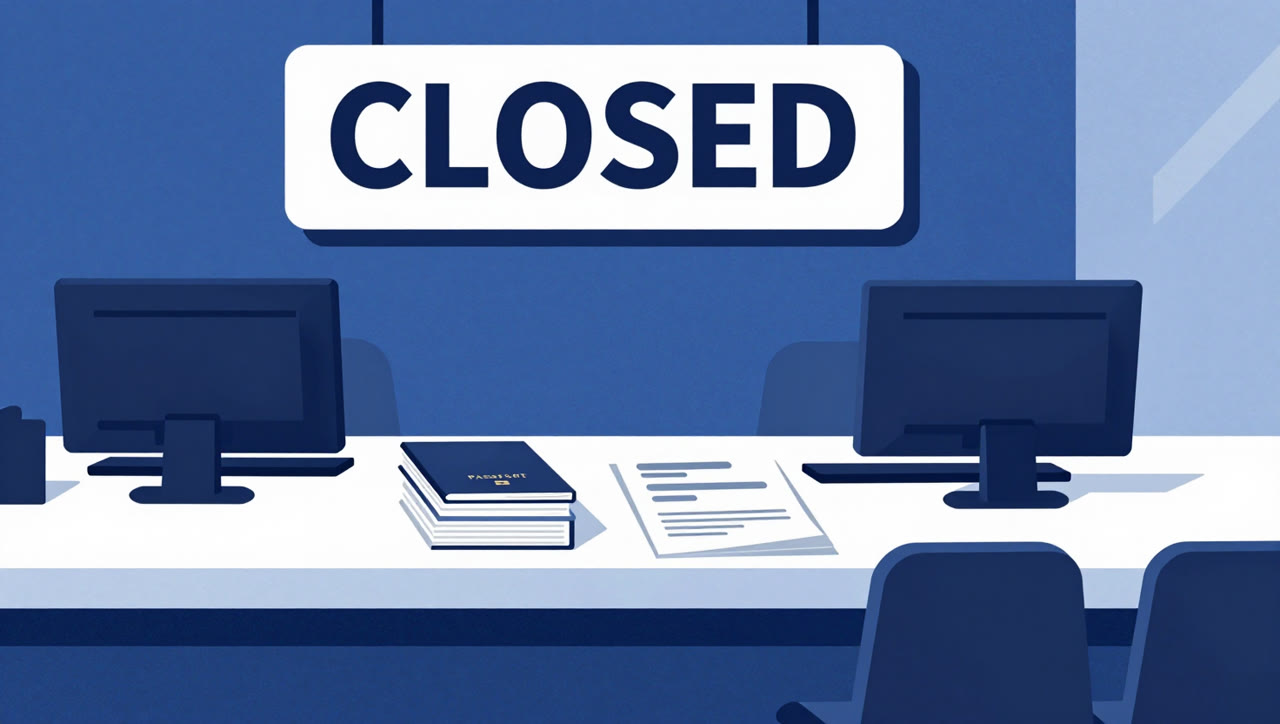
In New Zealand, the outage hit services people actually need. Immigration paused all visa applications while the problem lasted. And at hospitals and prisons, staff went back to the old tools: the fax machine, the phone, and the printer. Many people thought those were things of the past, but they kept work moving when email stopped responding. It's a good reminder that having a backup on hand can make all the difference on a bad day.
The UK and Colorado go old-school
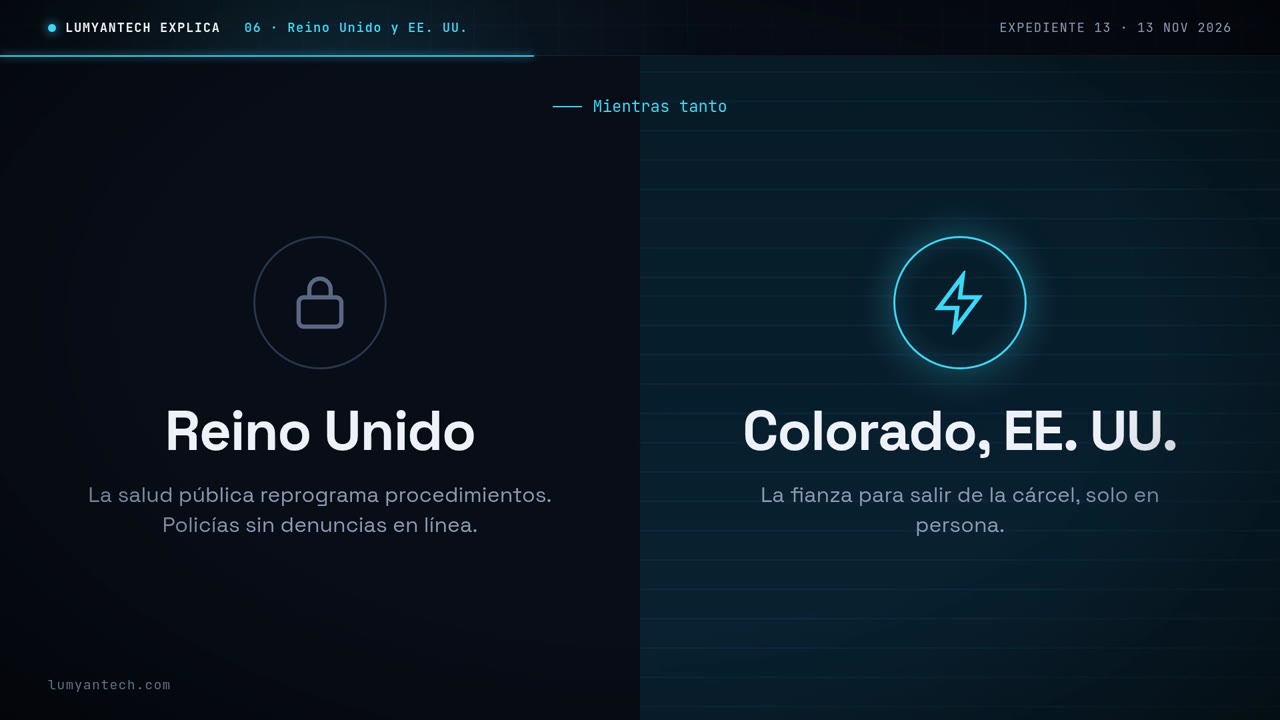
In the United Kingdom, the public health system had to reschedule procedures. On top of that, several police forces couldn't take crime reports online, so people had to find other ways to file them. In the United States, the standout case came from Colorado. The sheriff warned that anyone paying bail had to do it in person, at the jail. Tasks that are usually handled online suddenly required showing up, all because of a single failure.
The markets went back to the phone
Financial markets didn't escape either. Euronext lost email, and brokers ran into problems from Singapore to Tokyo. In an industry where every minute counts, losing email means improvising fast. Bloomberg summed it up neatly: traders went back to the phone and the fax. Even in one of the most high-tech environments in the world, the answer to the outage was to reach for tools that seemed like relics from another time.

Almost a full day without service
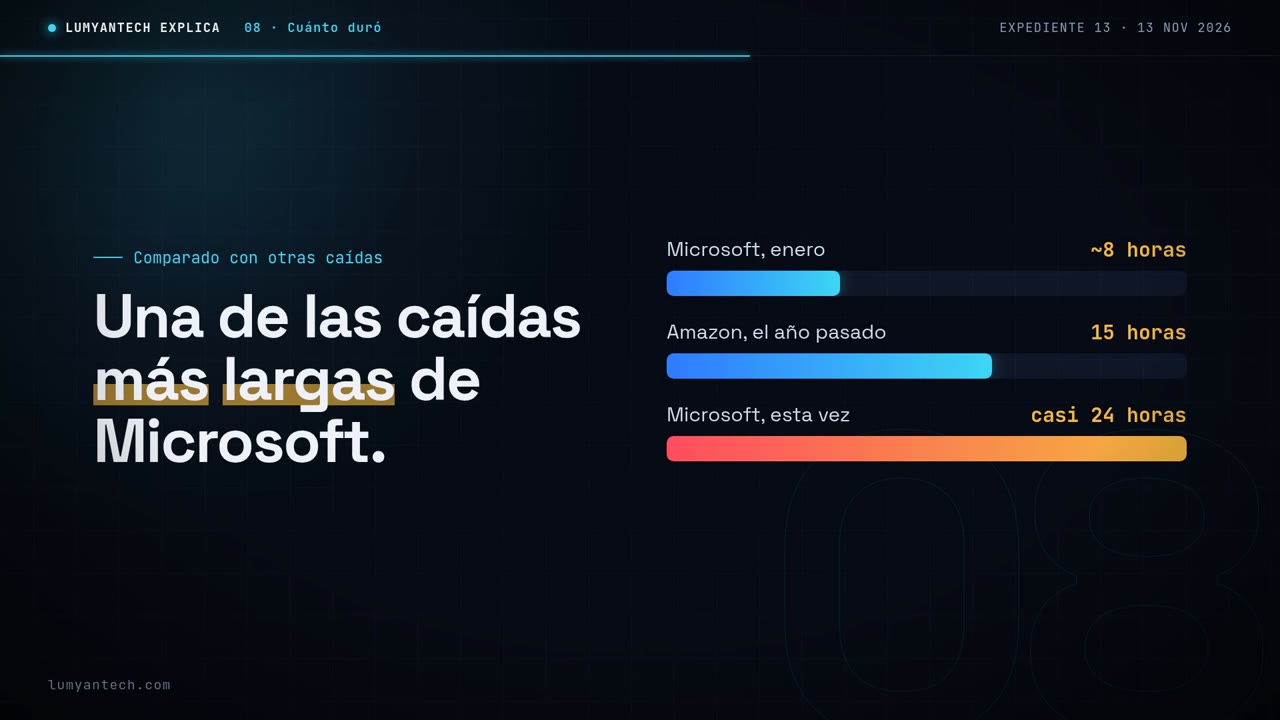
On Downdetector, the site where people report outages, Outlook reports in the United States topped one hundred thirty thousand in the first hour. By nine thirty that night, there were still more than twenty-five thousand. For perspective, Microsoft's January outage lasted about eight hours, and Amazon's outage last year lasted fifteen. This one ran for almost twenty-four hours, which makes it one of Microsoft's longest outages.
A network upgrade that went wrong
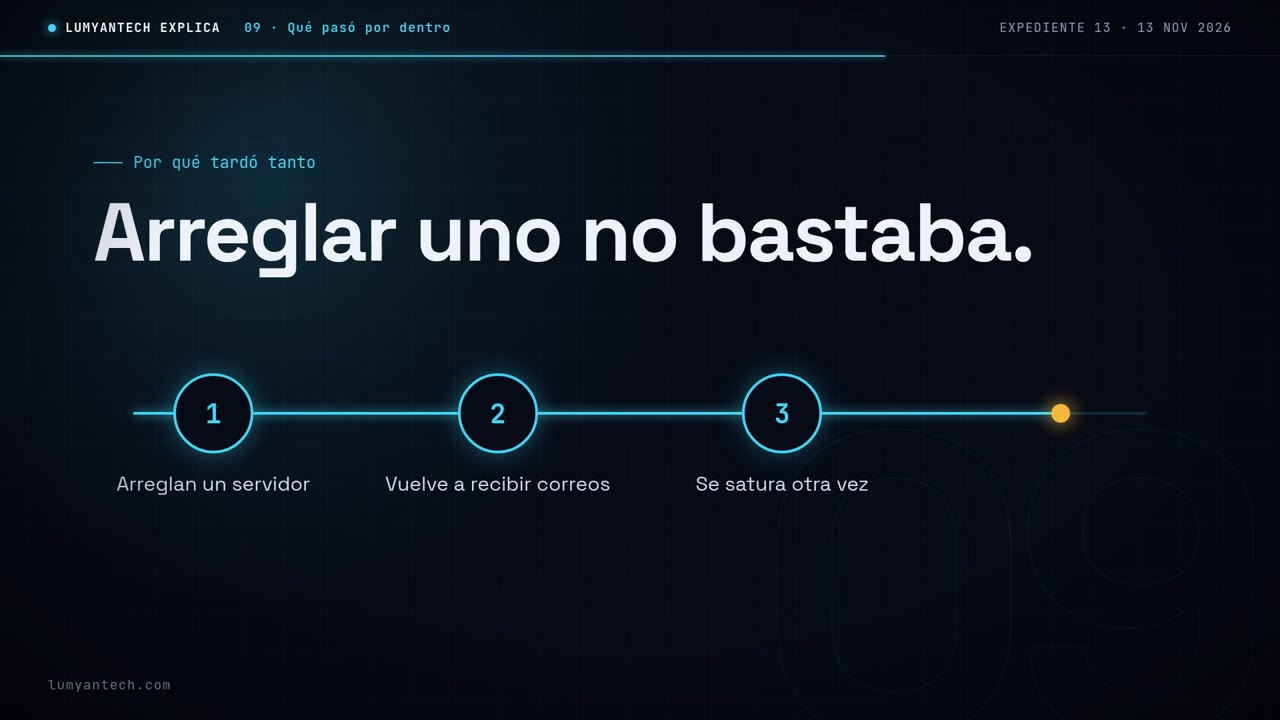
According to Microsoft, the problem was a fault introduced along with a capacity upgrade to its network. Several servers stopped responding, and the ones still running had to carry the entire load. Fixing it wasn't simple. Every server that started receiving email again got overwhelmed once more by the pile of pending messages. Fixing one at a time wasn't enough, and that's why recovery took so long. That's Microsoft's explanation while everyone waits for its full report.
Microsoft said it was sorry
Microsoft publicly apologized. The company said it is deeply sorry and made clear that the outage was not an attack and was not caused by artificial intelligence. It also promised to publish a full report on what happened. That report, however, hasn't come out yet. For now, the only version available is the company's initial explanation. Until that document is released, the full details of the failure and how it was fixed remain unconfirmed.

Your emails weren't lost
Here's some good news if you were waiting on important messages: delayed emails weren't lost. Microsoft extended the delivery window to forty-eight hours. That means messages sent during the outage can keep arriving through Saturday. If you notice an email is missing, it may simply still be on its way. It's worth giving it that extra time before assuming it's gone or asking someone to send it again.

Watch out for fake "Microsoft Support"
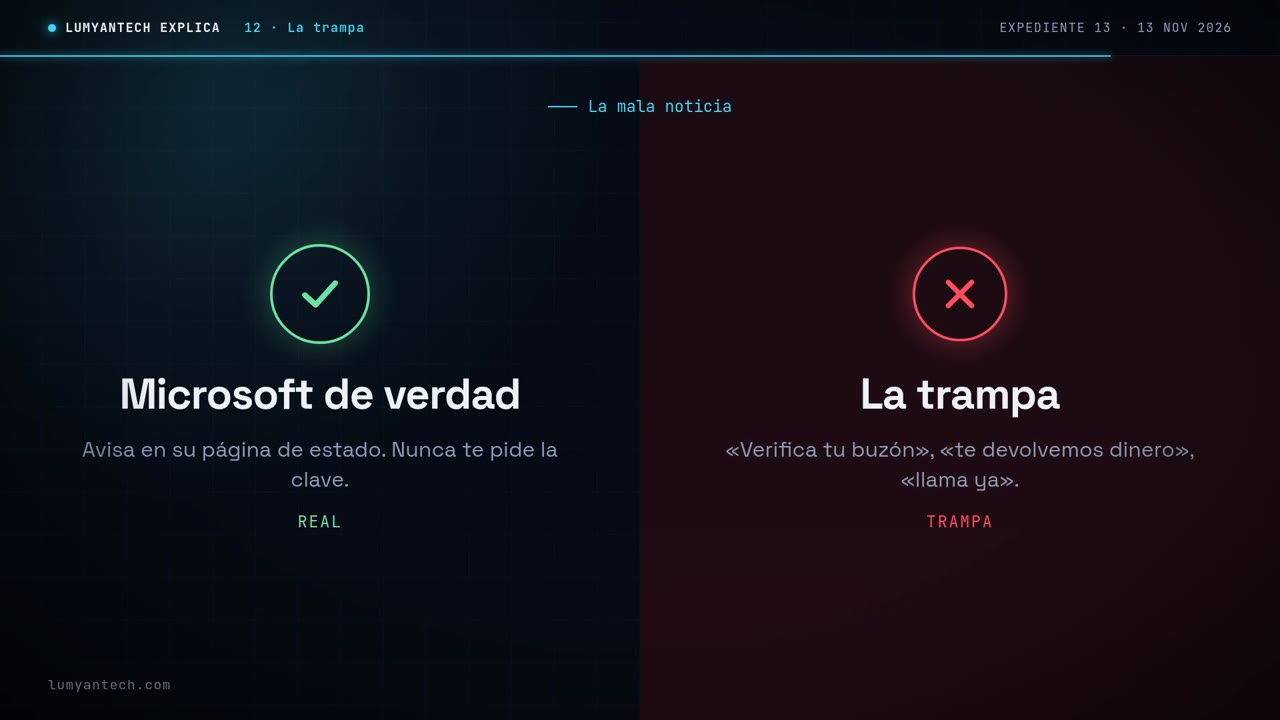
The bad news is that scammers are already taking advantage of the outage. Emails claiming to come from "Microsoft Support" are going around, using the problem as an excuse. Some ask you to verify your mailbox. Others offer you a refund for the outage. Still others give you a phone number to call. All of it is fake. The goal is to get your information or your money while people are confused, so don't reply or follow their instructions.
Four rules for the next outage
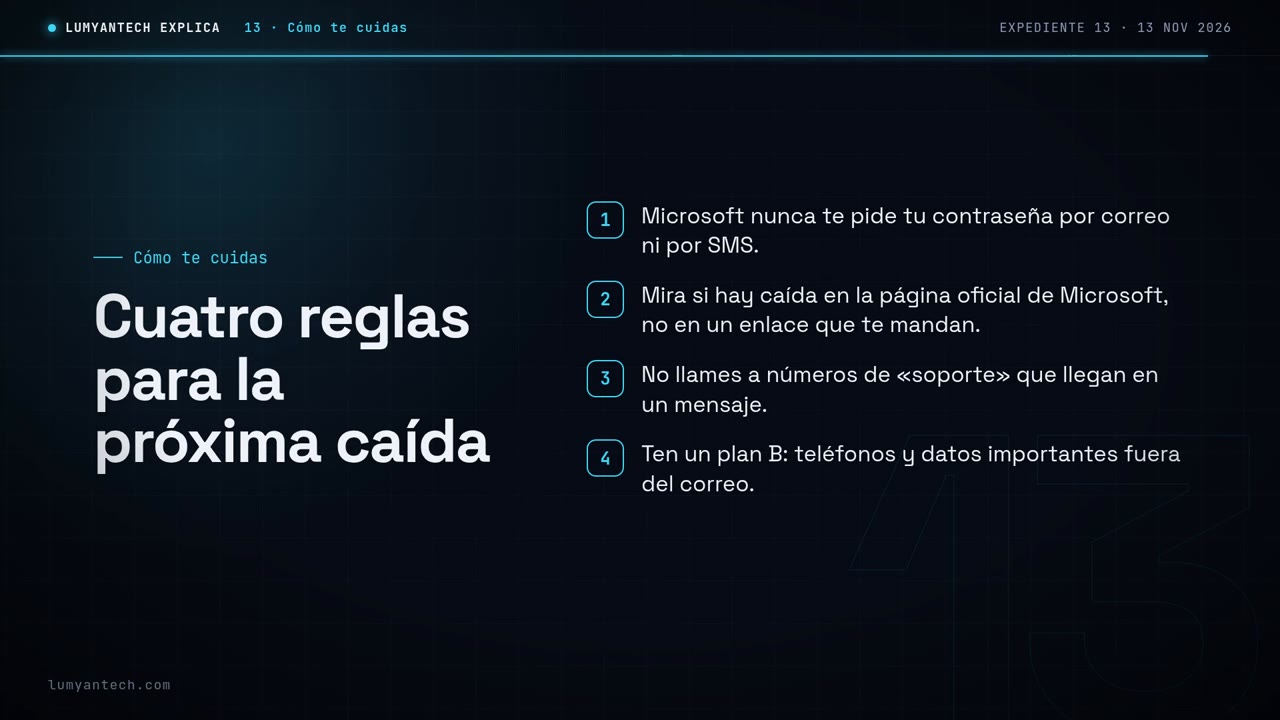
Outages happen, and so do the scams that follow them. These four rules will help you be ready next time.
When a service half the world relies on goes down, the wait is annoying, but the bigger risk is the fake email that shows up to take advantage of it.
Would you rather we handle it? Book a call